Asia
Hyperbaric
Centre


About
Asia Hyperbaric Centre
We did not start in a hospital. We started in a shipyard — solving problems underwater.
That same engineering discipline now drives every HBOT session we deliver.


How a Shipyard
Became Hong Kong's Longest-Operating HBOT Centre
It started, as most good stories do, with someone solving a problem they cared about.
In 1977, Ricky Ng founded Asia Divers Limited — a marine engineering company in Ap Lei Chau. The job was straightforward: keep commercial divers safe. Build chambers. Maintain them. Make sure the people who went underwater came back up in one piece.
For twenty years, that was the work. Offshore projects. Salvage operations. The kind of jobs where you do not get a second chance to get the engineering wrong.
Then came a trip to Plymouth, UK. Ricky was there for a training course — routine stuff. But the hyperbaric facility at the Plymouth centre was doing something unexpected. They were not just treating divers. They were helping people with chronic wounds, radiation injuries, neurological conditions. Same chambers. Same pressure. Same oxygen. Completely different application.
That was the moment. Not a business plan on a whiteboard — just a clear realisation that the science already worked, and Hong Kong did not have it yet.
In 1999, Asia Hyperbaric Centre opened its doors. Same shipyard. Same team. Same chambers that had been keeping divers alive for two decades — now serving the public.
People sometimes ask why we are still in a shipyard. The honest answer? Because this is where the infrastructure lives. The chambers were not moved here — they were built here. The oxygen supply, the pressure systems, the engineering — all of it was designed for this exact location. It would be like moving a lighthouse and wondering why the light does not reach as far.
Twenty-six years later, the address has not changed. Neither has the standard. But the photos on the wall have multiplied quite a bit.
The Problem We Solve

Most people discover hyperbaric oxygen therapy at a difficult moment — after a diagnosis, after surgery, after being told there are limited options left. They search for answers and find conflicting information, unregulated providers, and wellness centres that cannot deliver the pressure or purity that evidence-based protocols require.
We exist to be the answer to that search. A centre built on engineering precision, operating under government safety approval, using 99.5% medical-grade oxygen in chambers certified to UHMS standards. Not a trend. Not a wellness add-on. A serious facility for people who need it.
Our Credentials
Built to a Standard,
Not a Trend

Certified under Hong Kong's Boilers and Pressure Vessels Ordinance.
Government
Approved
Our chamber holds surveyor certification that passes Labour Department inspection under the Boilers and Pressure Vessels Ordinance (Cap. 56). This is the same legislation that governs pressure vessels across Hong Kong's industrial and marine sectors — and the same standard we have met continuously since 1999.

Independently Inspected
Chamber
Certification
Our hyperbaric chamber is inspected and certified by a government-qualified surveyor — an independent professional authorised to verify pressure vessel integrity, safety systems, and operational compliance. These inspections are not optional. They are a legal requirement for operating pressurised equipment in Hong Kong.

UHMS-Aligned Protocols
UHMS
Standards
Our session protocols align with the Undersea and Hyperbaric Medical Society (UHMS) — the international scientific body that defines evidence-based indications, pressure parameters, and safety standards for hyperbaric oxygen therapy worldwide. The UHMS currently recognises 15 approved indications for HBOT.

British Engineering Specifications
UK Engineering
Standards
Our chamber was manufactured and is maintained to British engineering specifications — the same standards used in North Sea commercial diving operations. This includes material grade, weld integrity, pressure testing, and viewport ratings. The engineering does not age. It is maintained.
99.5% Medical-Grade Oxygen
Medical-Grade
Oxygen
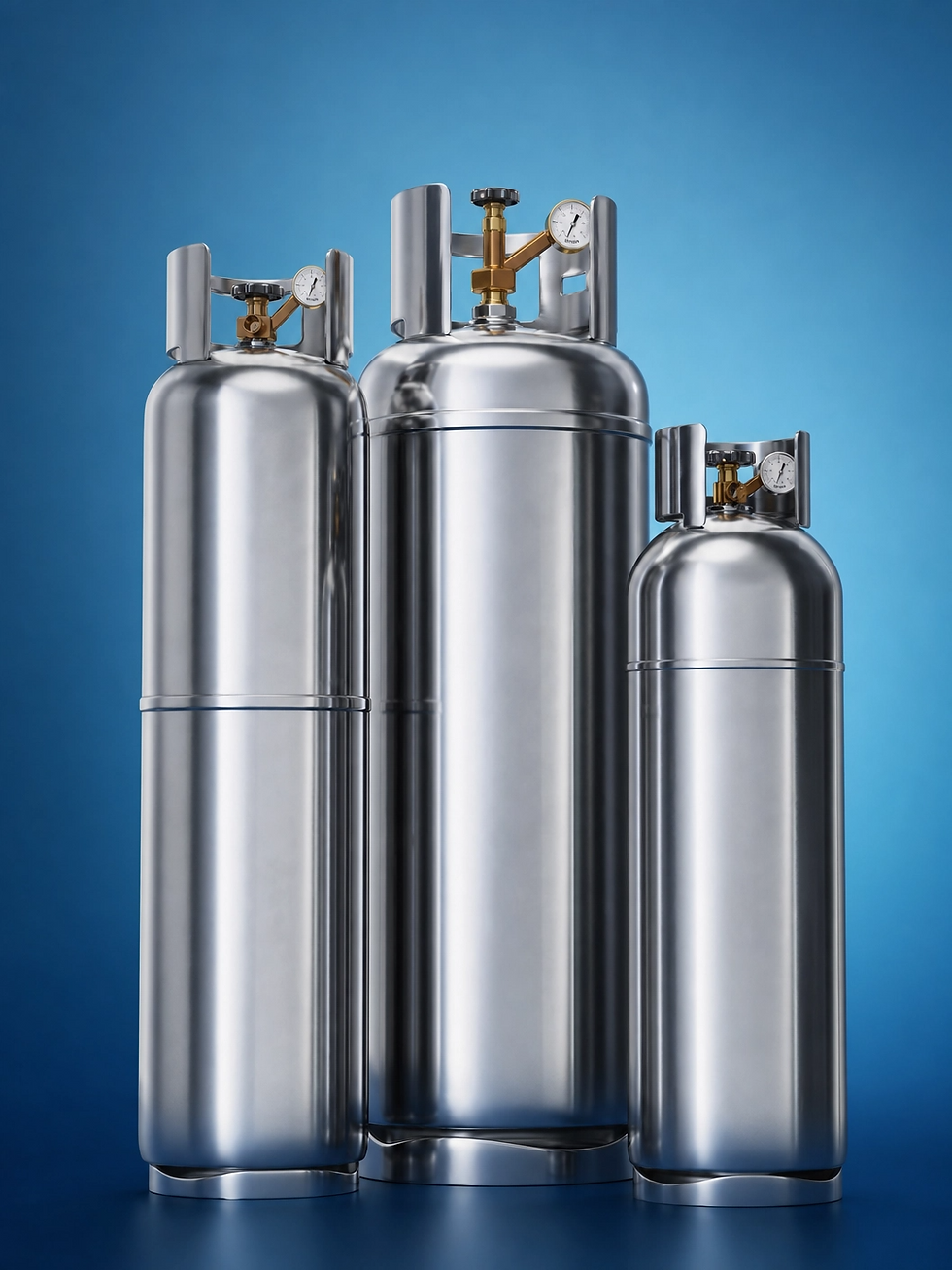
We deliver 99.5% pure oxygen — classified as medical-grade under the Hong Kong Pharmacy and Poisons Ordinance. This is not concentrated ambient air. It is pharmaceutical-grade oxygen, supplied and stored under the same regulatory framework as hospital oxygen systems.

Sufficient for every UHMS-approved protocol — including emergency decompression.
Up to 3 ATA
Sessions last approximately 90 minutes. You will be briefed on the process, monitored throughout, and supported by the same technician from start to finish. No referral is required for most conditions.
Our chamber operates at pressures up to 3 ATA (atmospheres absolute), equivalent to 20 metres / 66 feet underwater. This is the pressure range required for all UHMS-approved indications, including emergency decompression sickness protocols that many soft-shell or mild chambers cannot deliver.
Our Team
We are a small team. That is deliberate. Every person here knows every client. There is no handoff, no rotation, no "whoever is available." You see the same faces, every session.

Over 40 years in hyperbaric engineering. Started in commercial diving and marine services. Built the chambers. Built the company. Still involved in every operational decision.
Ricky Ng — Founder & CEO
Manages scheduling, client communications, and the day-to-day operations that keep the centre running at the standard our clients expect.
Daisy — Centre Manager
The person clients trust with their sessions. Tiffany has managed thousands of HBOT sessions and is one of the two technicians who handle emergency decompression sickness cases — referrals that arrive within hours of surfacing, often directly from the water or hospital A&E departments.
Tiffany — Senior Hyperbaric Technician
Operates the chamber, monitors pressure protocols, and ensures every session runs to specification from start to finish. Alongside Tiffany, Archie manages emergency decompression cases — the high-pressure, time-critical sessions where precision matters most.
Archie — Hyperbaric Technician

Your First Visit
We have shared our story. We would like to hear yours.
Step 1 — Reach out.
Contact us by phone, WhatsApp, or the form below. Tell us your situation. We will let you know whether HBOT is appropriate and what to expect.
Step 2 — Your first session.
Sessions last approximately 90 minutes. You will be briefed on the process, monitored throughout, and supported by the same technician from start to finish. No referral is required for most conditions.
Step 3 — A plan that fits.
Most protocols involve 20 to 40 sessions depending on the condition. We will discuss frequency, duration, and what realistic outcomes look like based on the evidence — not promises.